Updated
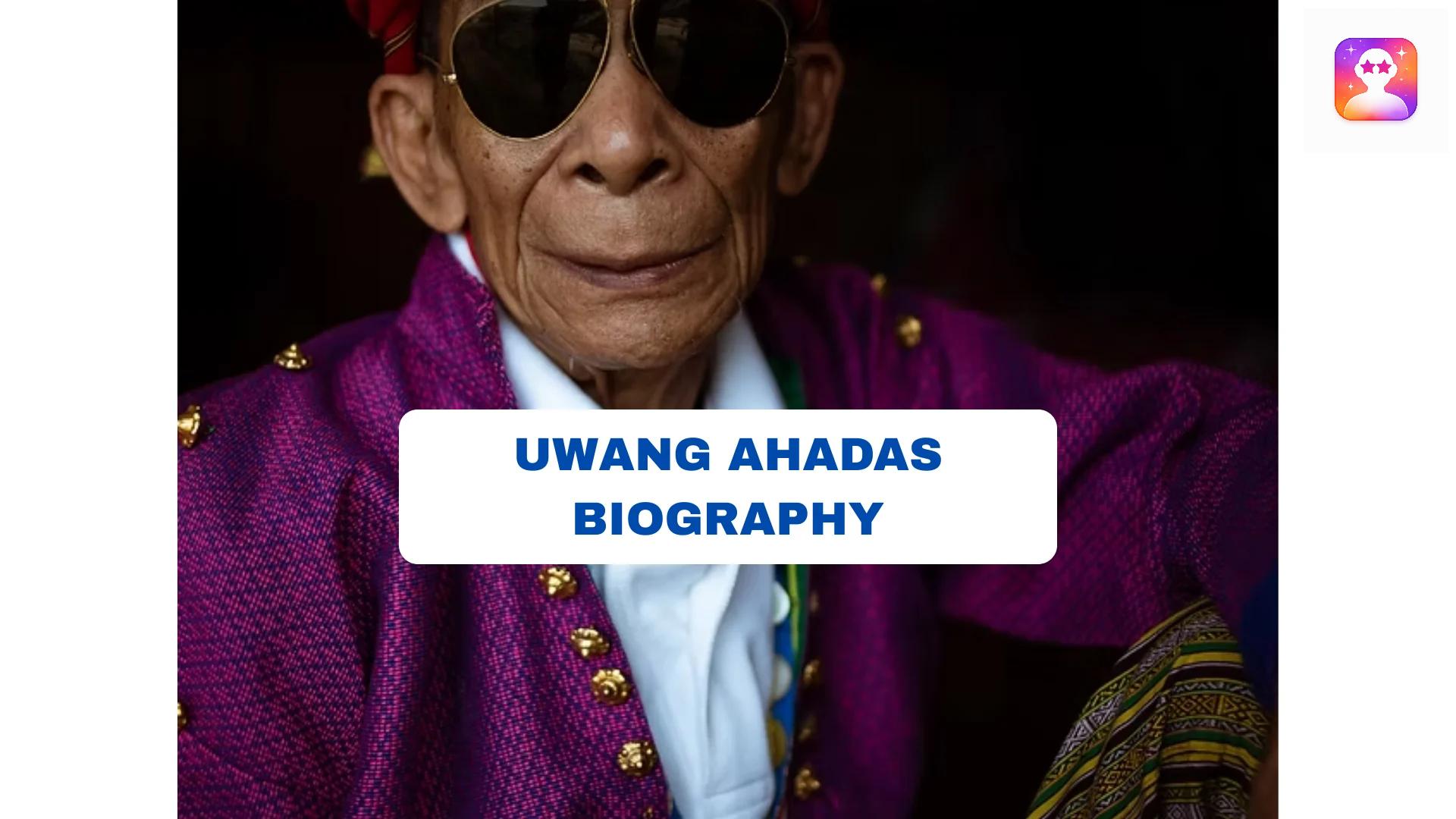
Uwang Ahadas Biography: Ethnicity, Wikipedia, Age
Uwang Ahadas Biography: Ethnicity, Wikipedia, Age
Uwang Ahadas stands as one of the Philippines’ most remarkable cultural icons—a master musician, teacher, and cultural bearer whose life and work helped preserve the traditional musical heritage of the Yakan people.
Born in 1945 in Lamitan, Basilan, Ahadas overcame near blindness at a young age and transformed his passion for indigenous instruments into a lifelong mission that resonates far beyond his community.
His exceptional contributions earned him one of the nation’s highest cultural honors: the Gawad sa Manlilikha ng Bayan (National Living Treasures Award) in 2000.
Early Life and Background
Uwang Ahadas was born on February 15, 1945 in Lamitan, Basilan, Philippines, into the culturally rich community of the Yakan people. The Yakan are known for their deep-rooted traditions in music, weaving, and social rituals—especially the instrumental music that forms an essential part of their cultural identity.
At just five years old, Ahadas suffered significant loss of vision, believed by his community to be a consequence of spiritual forces connected to a local creek called Bohe Libaken, where he often bathed as a child. Despite this challenge, his journey into music began early, nurtured by the strong musical tradition of his family and community.
Musical Journey: Mastering Yakan Instruments
The First Steps
Ahadas’ first introduction to music came through observing and learning from older musicians in his community—a practice deeply embedded in Yakan tradition. He began his musical education with the gabbang, a bamboo xylophone-like instrument often used in Yakan music.
Progress to Greater Mastery
From there, Ahadas moved on to mastering the agung—a large bossed gong typically played by men—and eventually the kwintangan kayu, an instrument traditionally reserved for women. By the time he was 20 years old, he had already achieved mastery over these core Yakan instruments, including the tuntungan, a rhythmic instrument used in traditional performances.
Key Instruments Uwang Mastered:
- Gabbang: Wooden, bamboo xylophone-like instrument.
- Agung: Large bossed gong used in Yakan ensemble music.
- Kwintangan Kayu: Horizontally hung logs producing melodious tones tied to social and agricultural rituals.
- Tuntungan: A percussion plank instrument.
Cultural Significance: Yakan Music and Tradition
Yakan music is deeply woven into the social fabric of the Yakan people, from ceremonial rituals to agricultural rites. The kwintangan kayu, for instance, is traditionally played to serenade growing rice plants—a practice believed to promote abundance and harmony.
Ahadas not only mastered these instruments but came to embody their cultural significance. His music wasn’t just performance—it was a living expression of Yakan identity, tradition, and social heritage.
Teaching and Preservation of Tradition
Despite his visual impairment, Ahadas devoted his life to teaching the next generation. He began instructing his own children—including his daughter, Darna, who has become a respected teacher of Yakan music herself.
Beyond his family, Ahadas traveled across Basilan and even to other parts of the Philippines to pass on his knowledge. His teaching was hands-on, emphasizing practice and cultural understanding behind the music—not just technique.
His passion ensured the survival and continued relevance of Yakan music, inspiring many young musicians to keep the tradition alive.
Recognition: National Living Treasure
In 2000, Uwang Ahadas received the prestigious Gawad sa Manlilikha ng Bayan (National Living Treasures Award) from the National Commission for Culture and the Arts (NCCA)—the Philippines’ highest honor for traditional artists.
This award recognized Ahadas’ exceptional mastery and lifelong dedication to preserving Yakan musical heritage. It also helped elevate indigenous Filipino music on the national stage, bringing increased awareness and respect for traditional forms once at risk of fading away.
Later Years and Legacy
Uwang Ahadas continued teaching and performing into his later years, even as his eyesight declined further. His resilience and unwavering commitment made him not just a musician, but a mentor and cultural ambassador.
He passed away on October 29, 2022, at the age of 77, leaving behind a legacy of music, tradition, and cultural preservation. To this day, schools, communities, and cultural programs honor his life and continue his mission of preserving Yakan heritage.
FAQS
Who was Uwang Ahadas?
Uwang Ahadas was a Filipino musician from the Yakan community, celebrated for his mastery of traditional instruments and recognized as a National Living Treasure.
What instruments did he play?
He played the gabbang, agung, kwintangan kayu, and tuntungan.
Why is he considered a National Living Treasure?
Ahadas was honored with the Gawad sa Manlilikha ng Bayan in 2000 for preserving and teaching Yakan musical traditions.
Where was he from?
He was born in Lamitan, Basilan, Philippines.
What is the significance of Yakan music?
Yakan music is integral to social and agricultural practices and reflects the cultural identity of the Yakan people.
Conclusion
Uwang Ahadas was more than a musician—he was a custodian of culture, tradition, and history. His journey from a visually impaired child to a nationally recognized cultural icon embodies resilience, passion, and an unwavering commitment to heritage preservation. Through his mastery and teaching, Ahadas ensured that the ancient sounds of the Yakan people continue to thrive in modern times. His legacy remains a testament to the enduring power of traditional music and the profound impact one individual can have on cultural heritage
Written by: Bios
People Also Profiled
Based on profession, era, and public relevance